Operator-centered 3D printing workflows
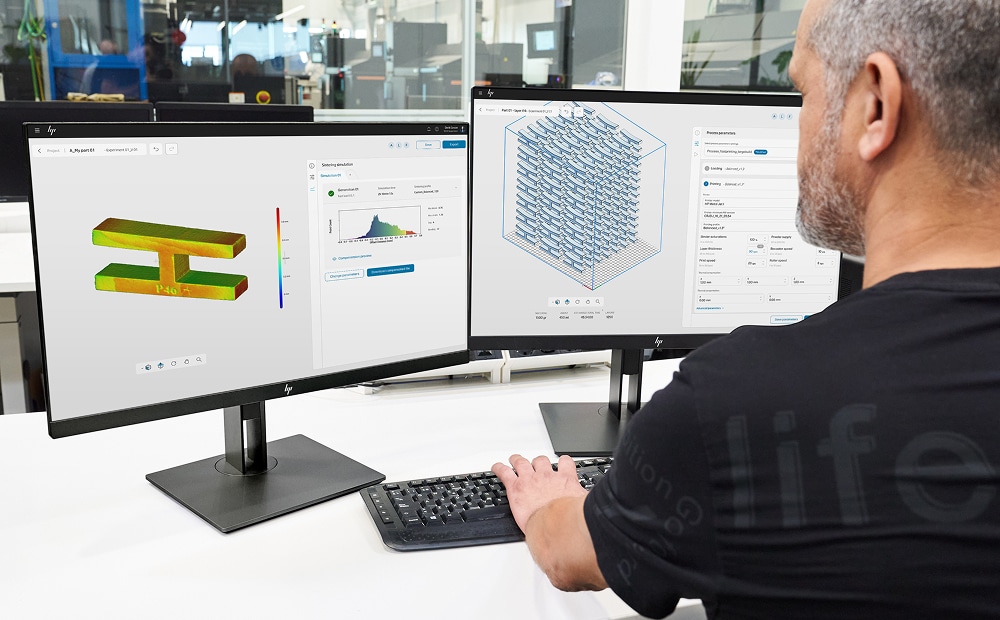
HP’s Metal Jet 3D printing platform is a powerful ecosystem of interconnected devices and software that spans well beyond the printer itself. Together, these components combine physical processes and digital controls into a layered, end-to-end operator journey.
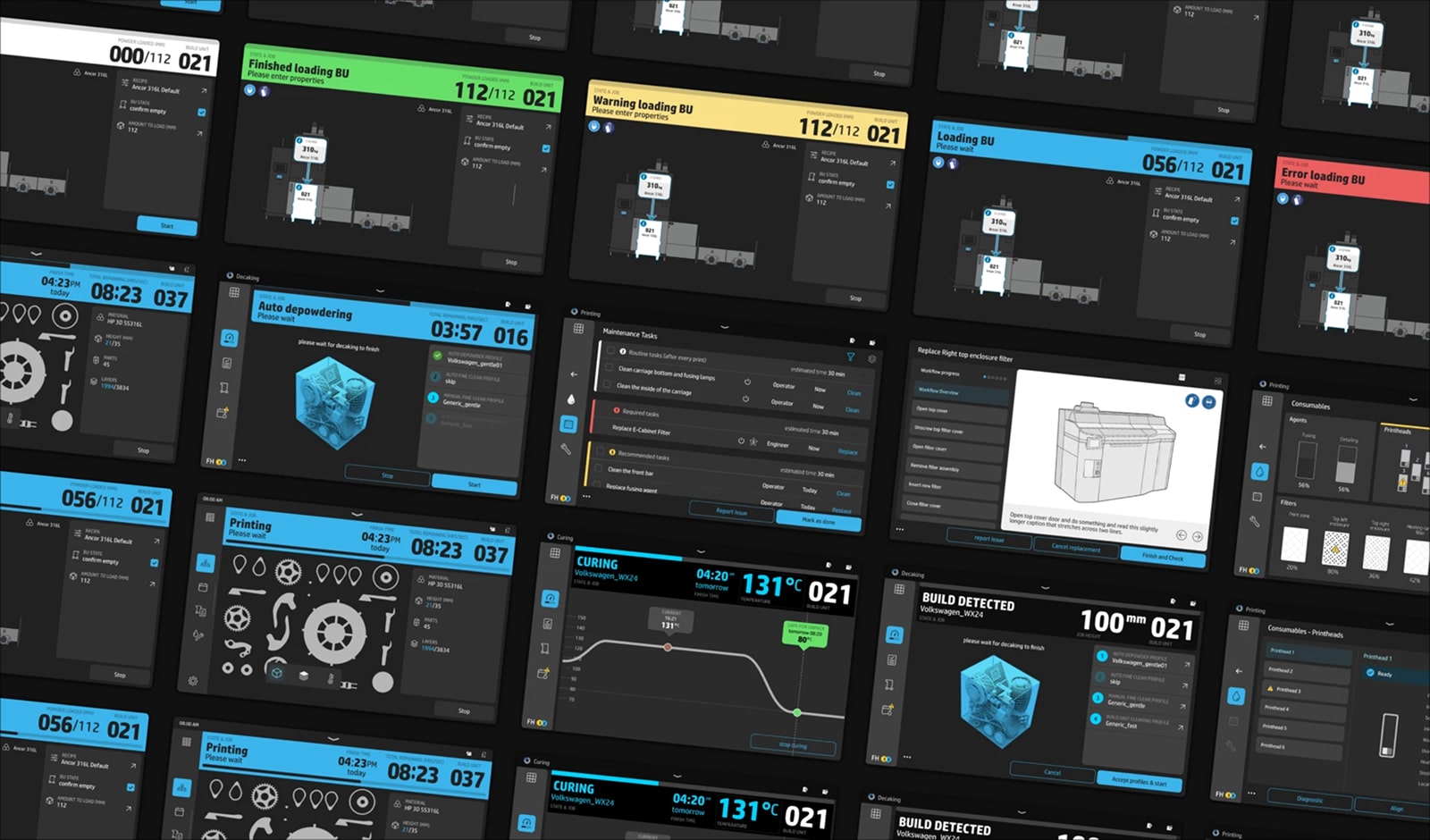
As a UX lead, I defined how these systems work together from an operator’s point of view. I focused on bringing clarity to complex workflows, particularly around the loading and depowdering stations.
HP inc.
Industry
Industrial manufacturing
My role
UX lead

Getting hands-on to understand the operator journey
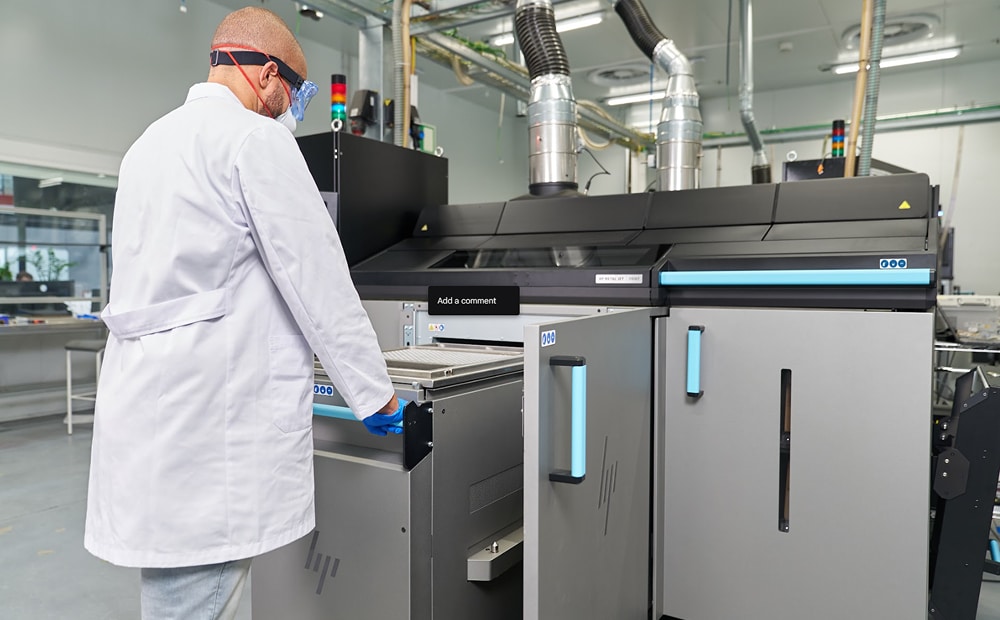
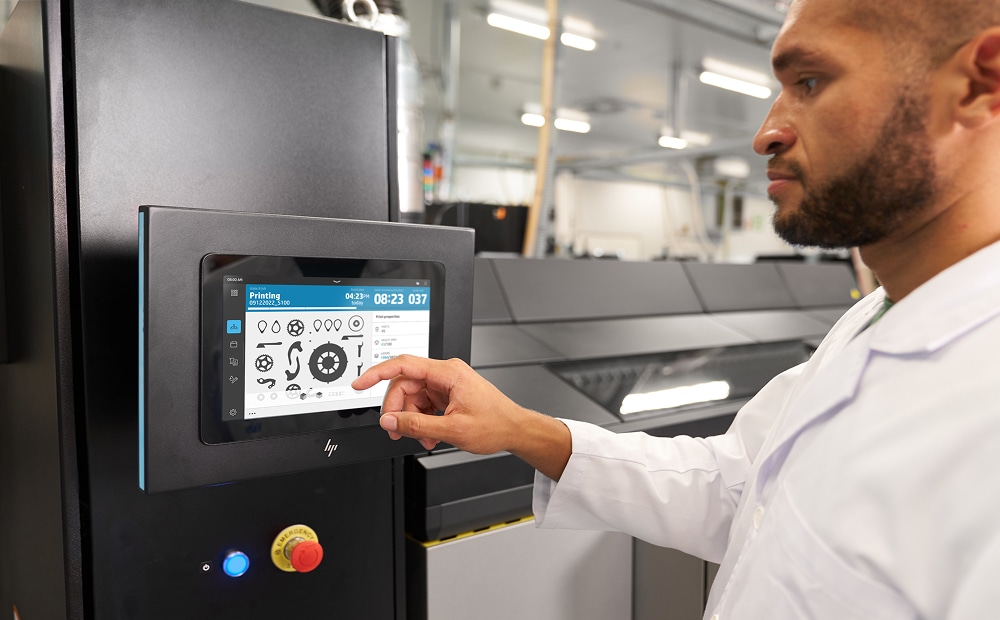
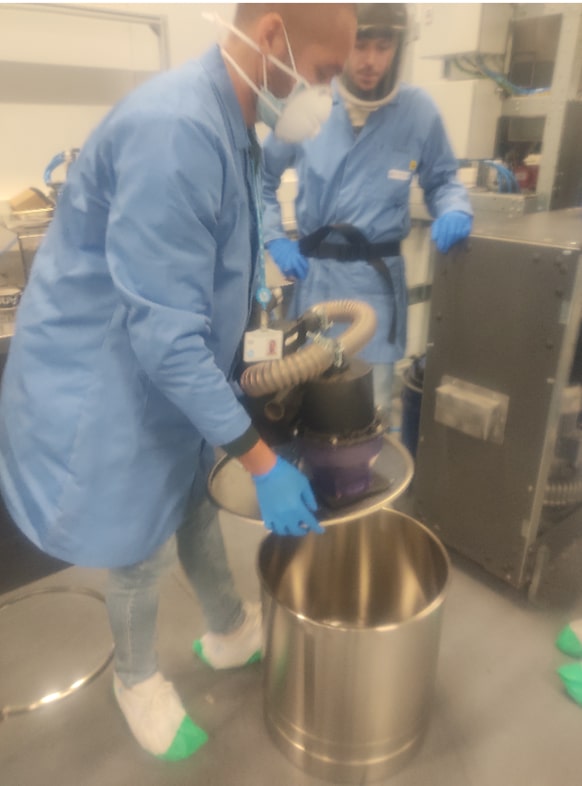
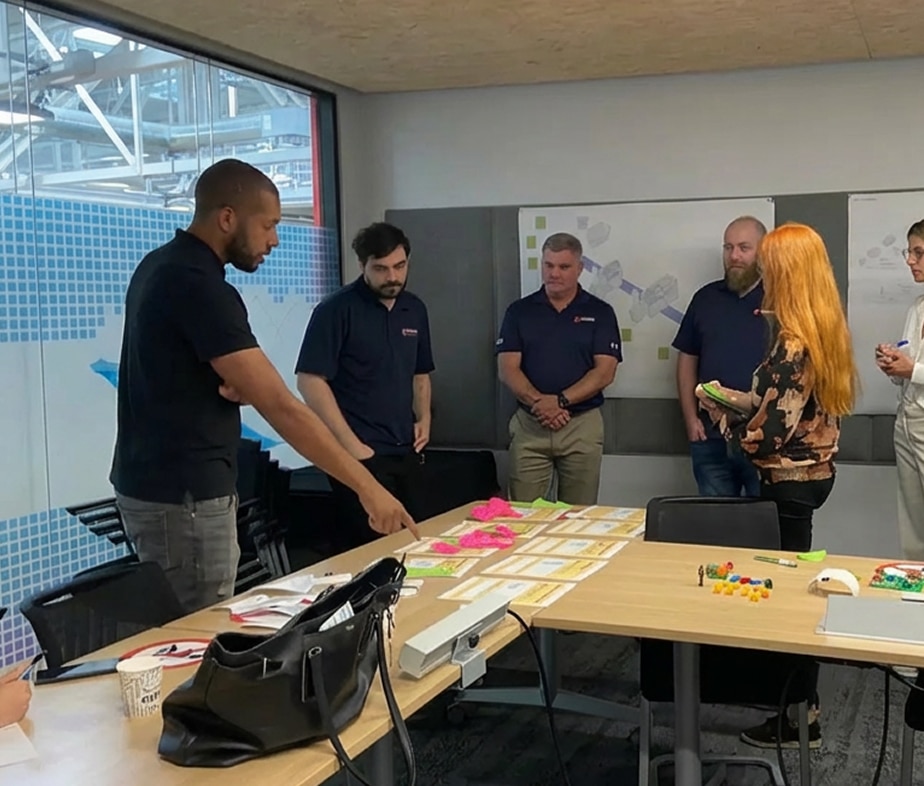
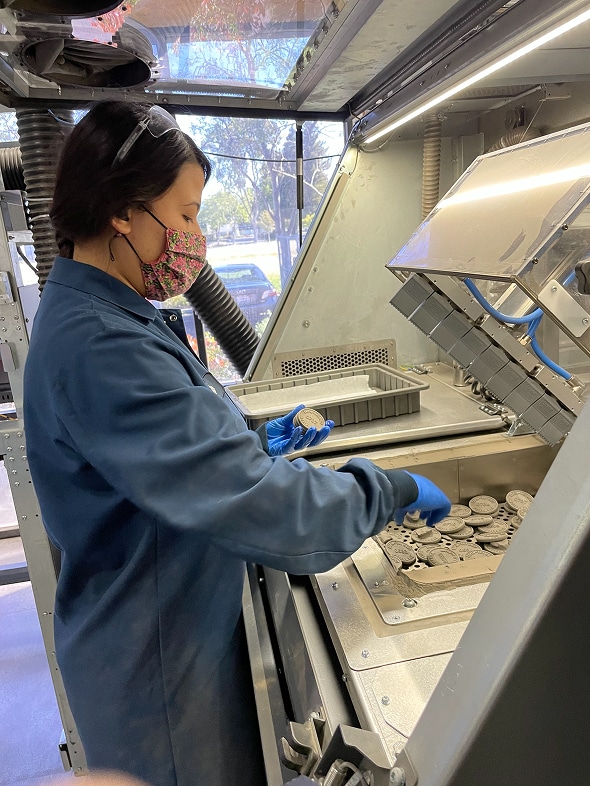
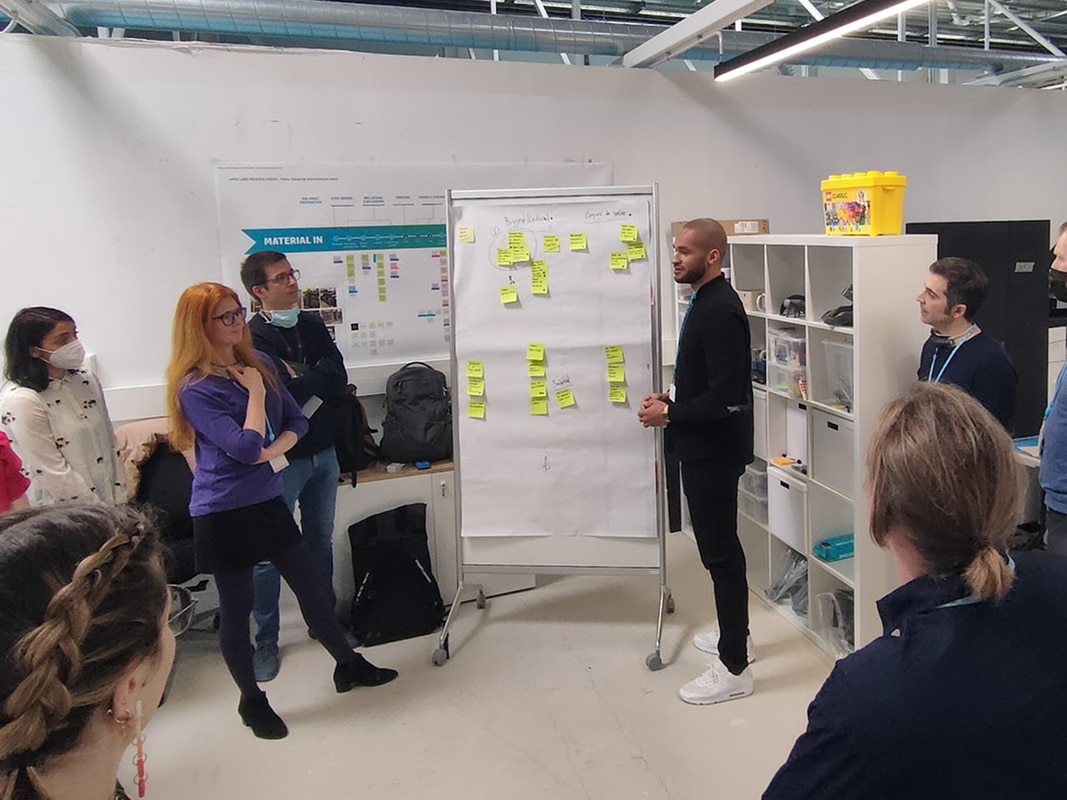
The best way to get a deep understanding of the operator processes was to get my hands dirty in the onsite lab that mirrored production environments. Our team also partnered closely with our pilot customers, conducting on-site research and inviting their leaders and operators into our space for co-design sessions. These hands-on interactions surfaced critical insights around workflow timing, ergonomics, task flow sequencing, and control panel usability, especially when operating while wearing safety gear like gloves, goggles, and masks.
Meanwhile, I worked closely with R&D firmware, mechanical, and software engineers to turn those operator insights into practical improvements, shaping everything from physical touchpoints and workflows to UI behavior.
Workflow framework as a strategic tool
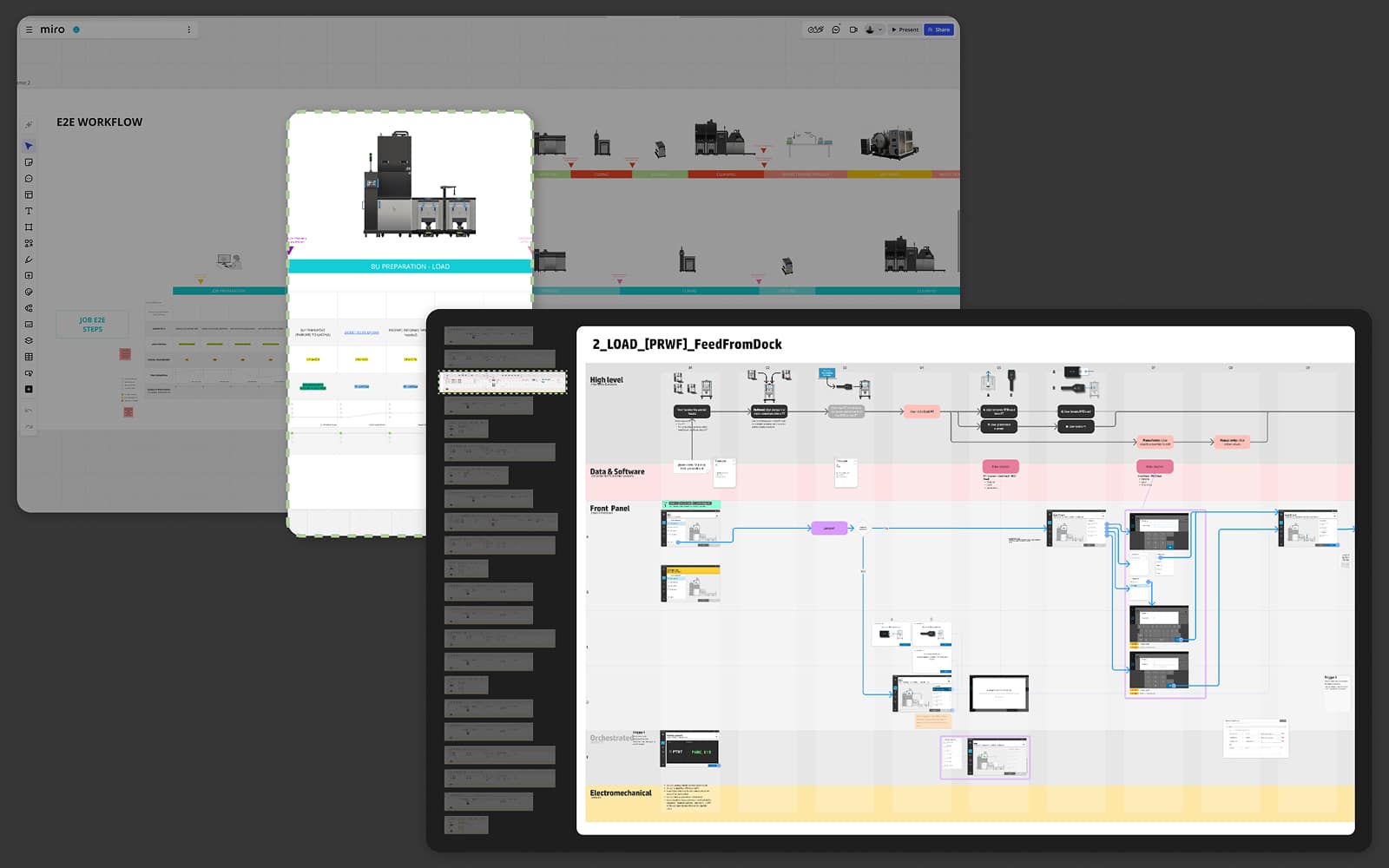
To make sense of the complexity, we developed a journey and workflow framework that captured how operators move through the system, from preparing a build to completing post-processing. The framework became a shared reference for UX, engineering, and product teams. This functioned as a working tool that helped identify system dependencies, design opportunities, and implementation blockers. It guided prioritization discussions and helped stakeholders across hardware, firmware, and software align around a common vision of the experience.
Laying the Groundwork for Scalable UX
Our team’s design work became foundational for future releases of the Metal Jet platform. It informed roadmap planning, shaped the next-generation UX strategy for supporting devices, and improved alignment between product requirements and real-world operator needs.