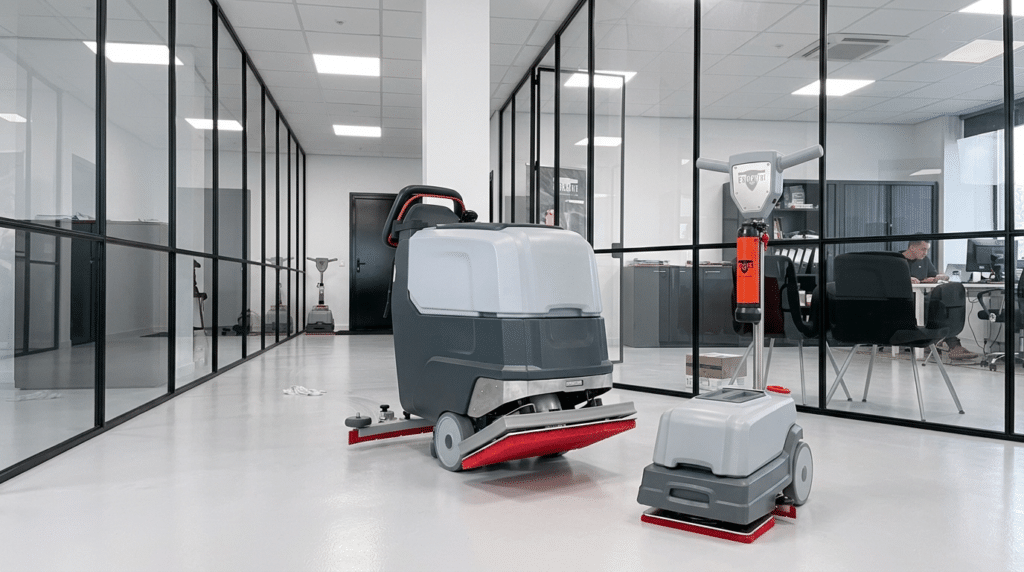
Bold design for badass cleaning equipment.
Excentr needed to expand their professional cleaning lineup with integrated fluid management, without losing the robust, industrial identity that defines their brand. I led the end-to-end industrial design, from competitive research to rotomolded production-ready parts.
Excentr
Industry
Cleaning services & equipment
My role
Industrial design lead
https://www.youtube.com/watch?v=zl_5yCvoXKQ
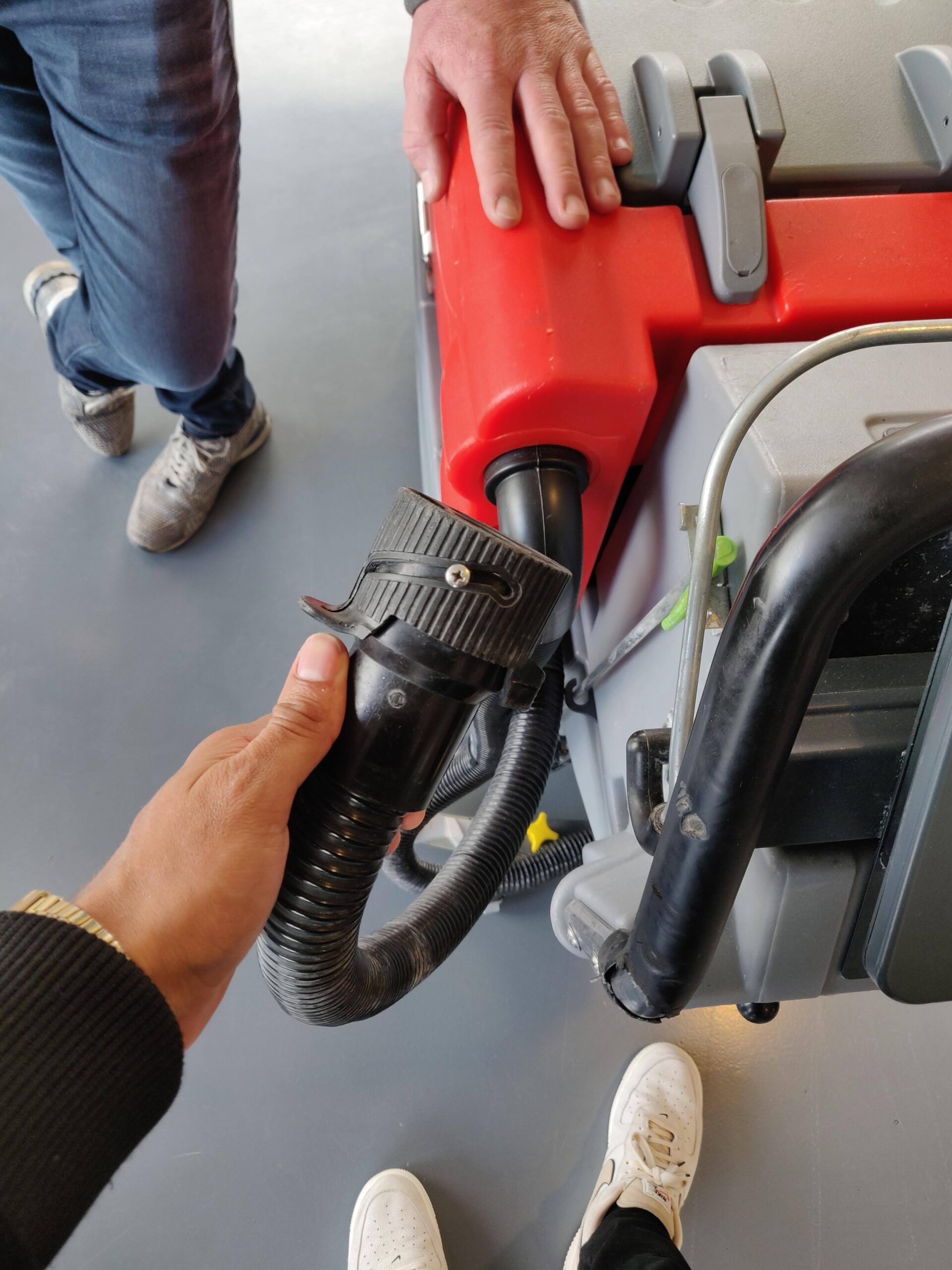
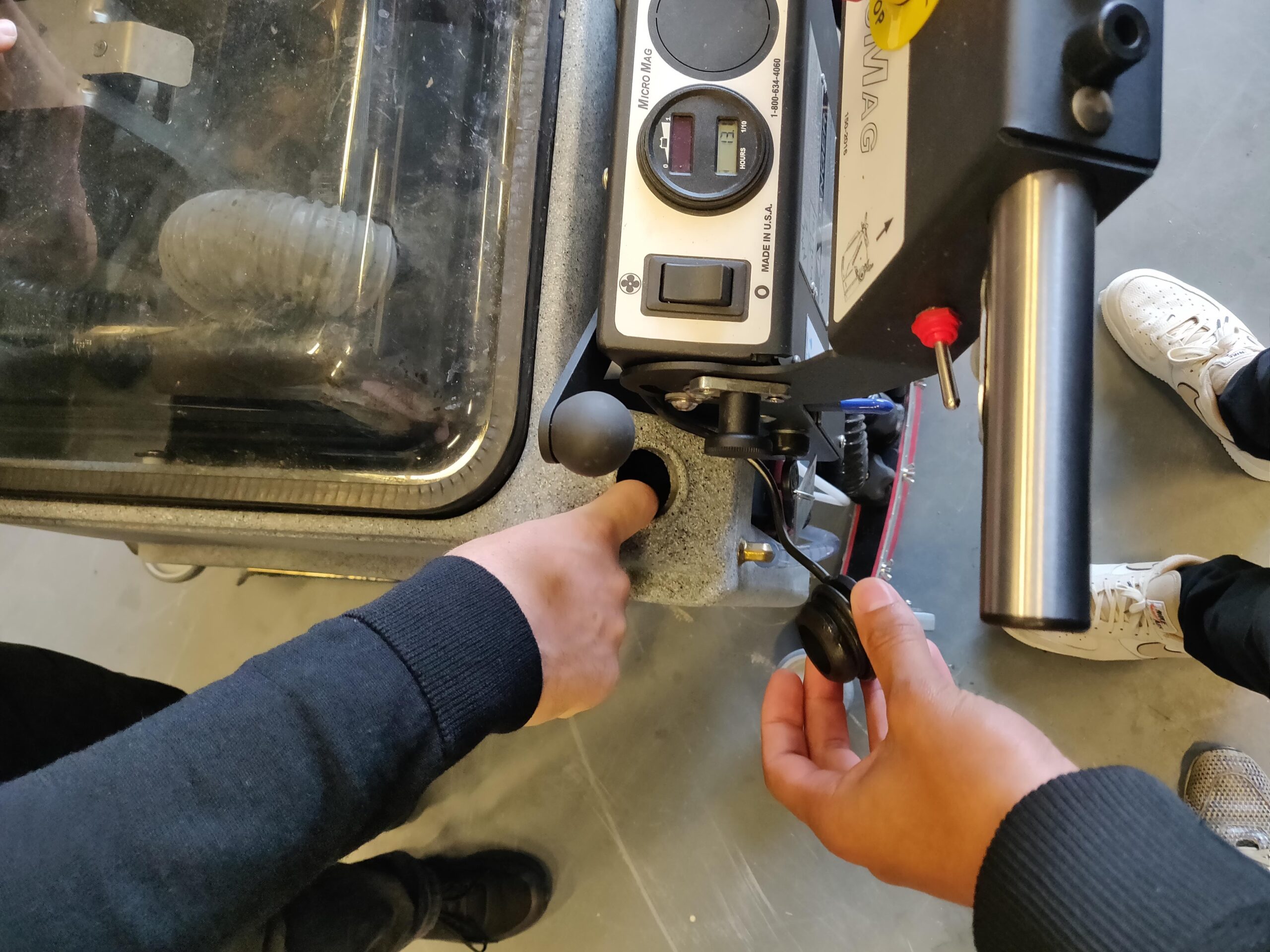
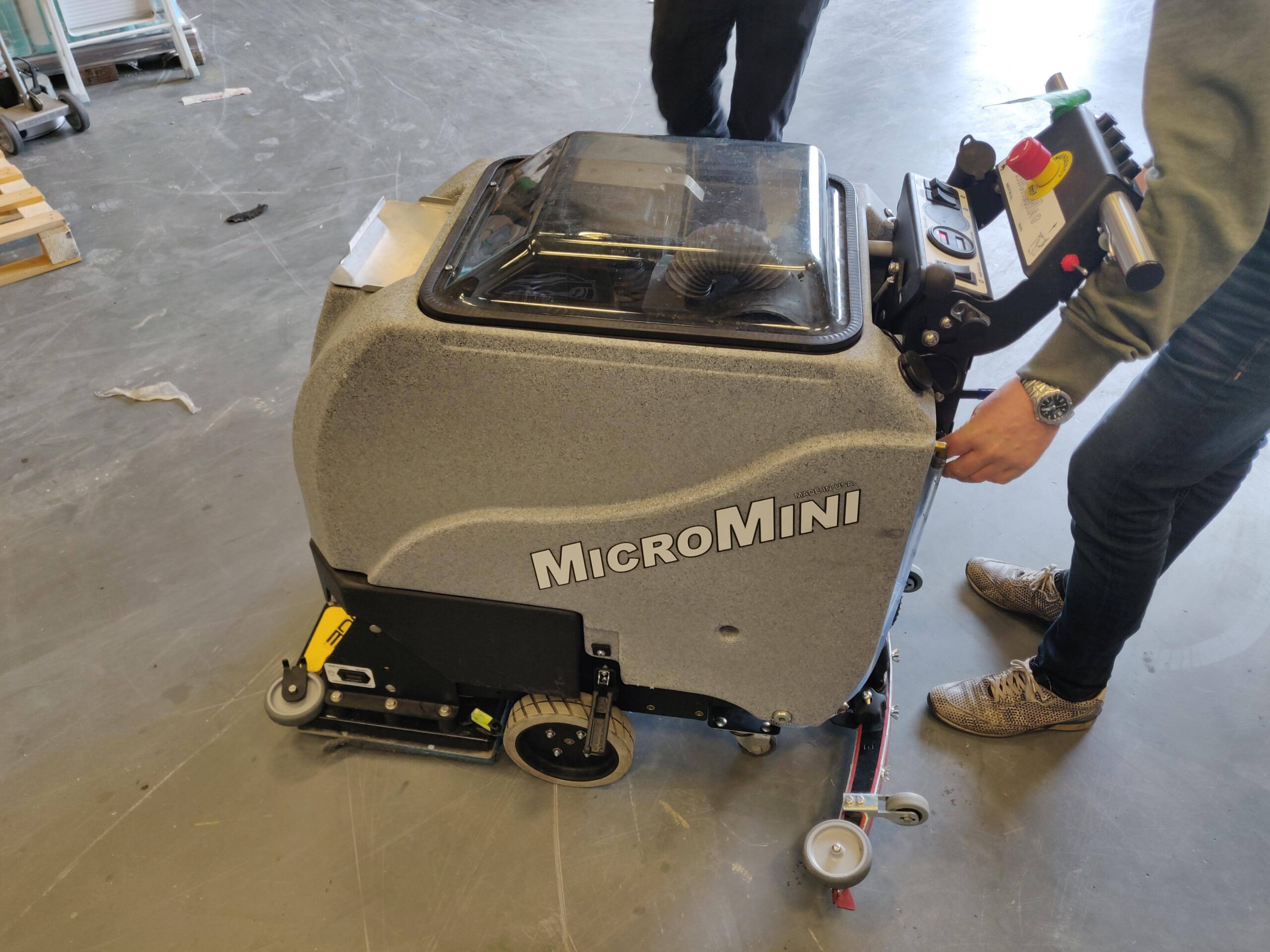
Mapping the market, the user, and the material
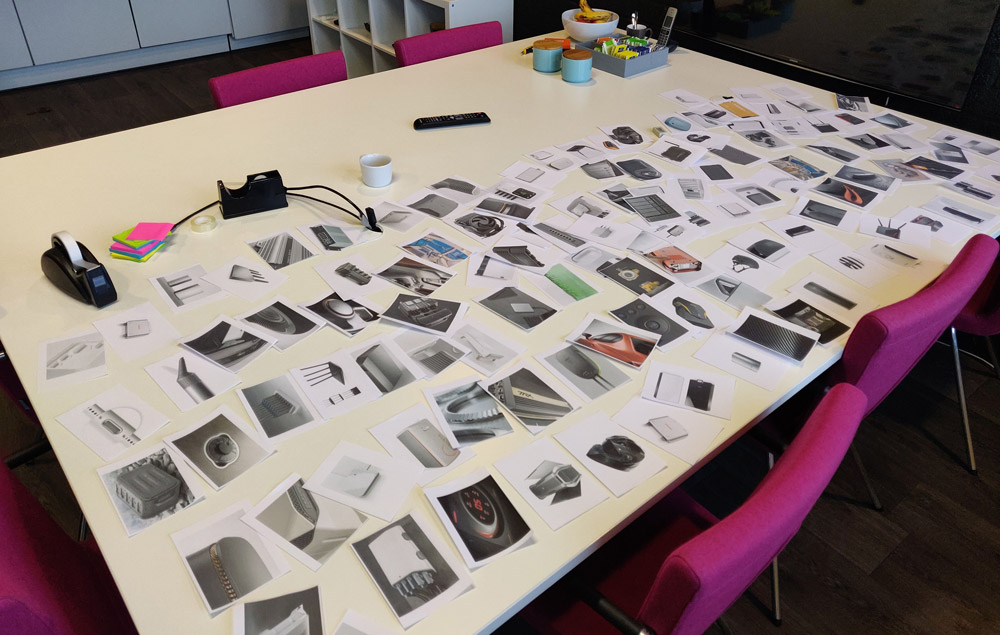
We opened the project with a hands-on competitive analysis; understanding what already existed, where products fell short, and where Excentr had room to stand out. Alongside that, I mapped real user needs and ergonomic pain points with existing cleaning systems, looking for opportunities to improve how the equipment is handled, used, and maintained. To ground the design direction early, I also dug into the constraints of rotomolding: what the process allows, what it demands, and how to design around its limits from day one.

Designing for Excentr’s DNA and the factory floor
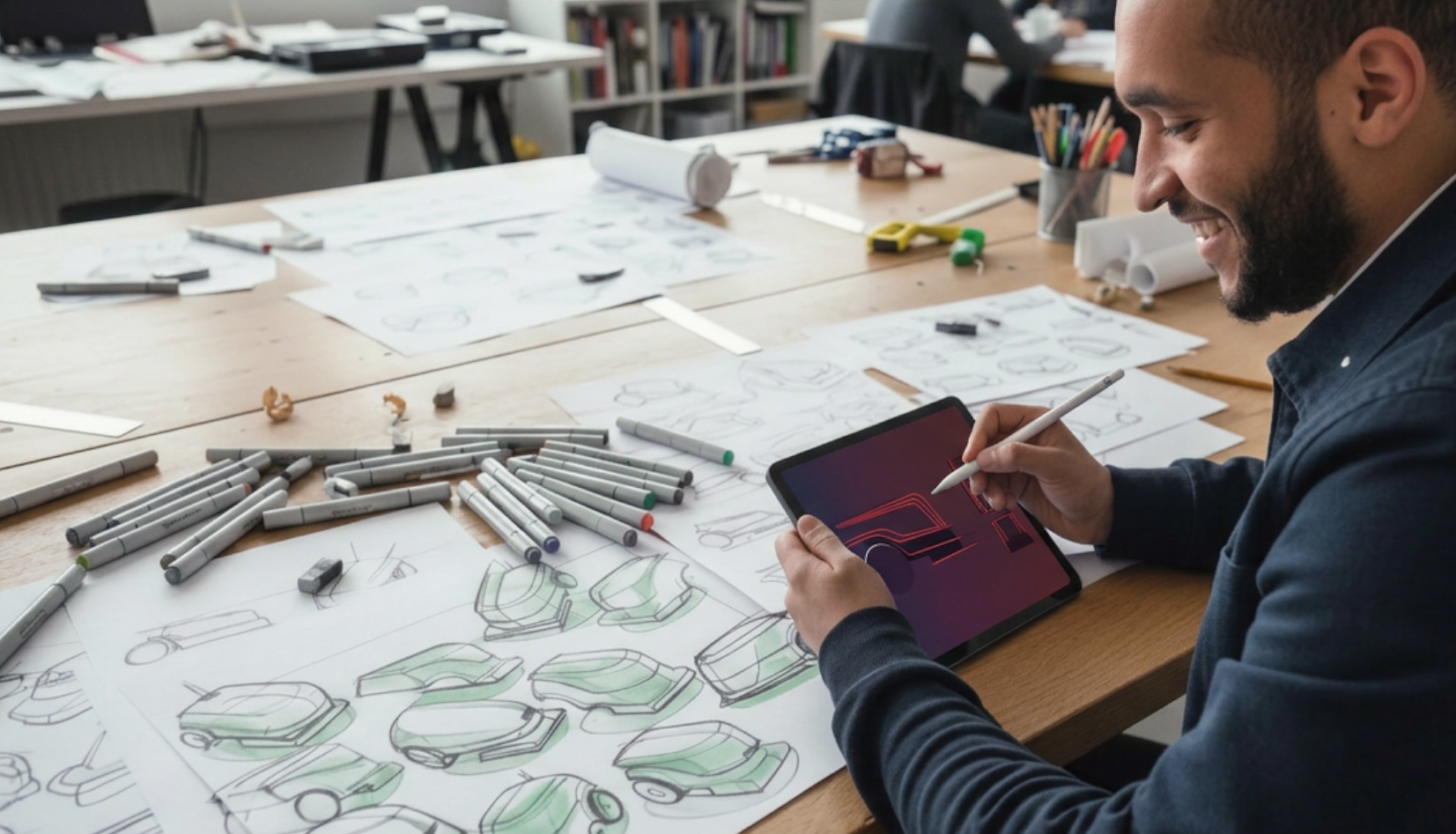
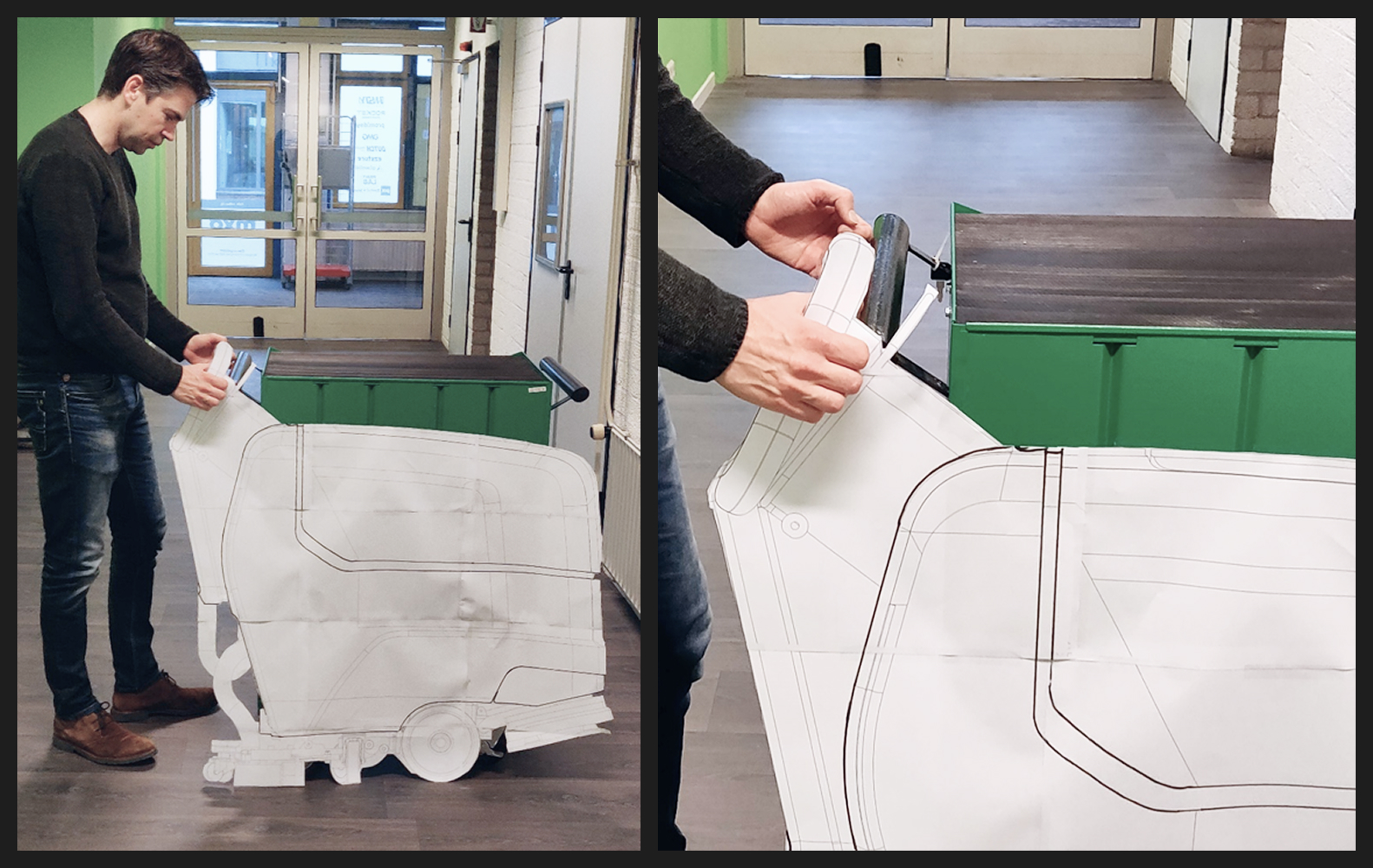
Excentr’s equipment has a distinct character: robust, no-nonsense, built for professionals. Drawing inspiration from automotive and transport design, I looked at how functional components carry attitude, integrated forms and surface tension. That language shaped the direction for both the 35 and 45 models, explored through concept sketches before converging on forms that balanced character with practicality, and with enough coherence to scale across future products in the lineup.
From design intent to manufacturable geometry
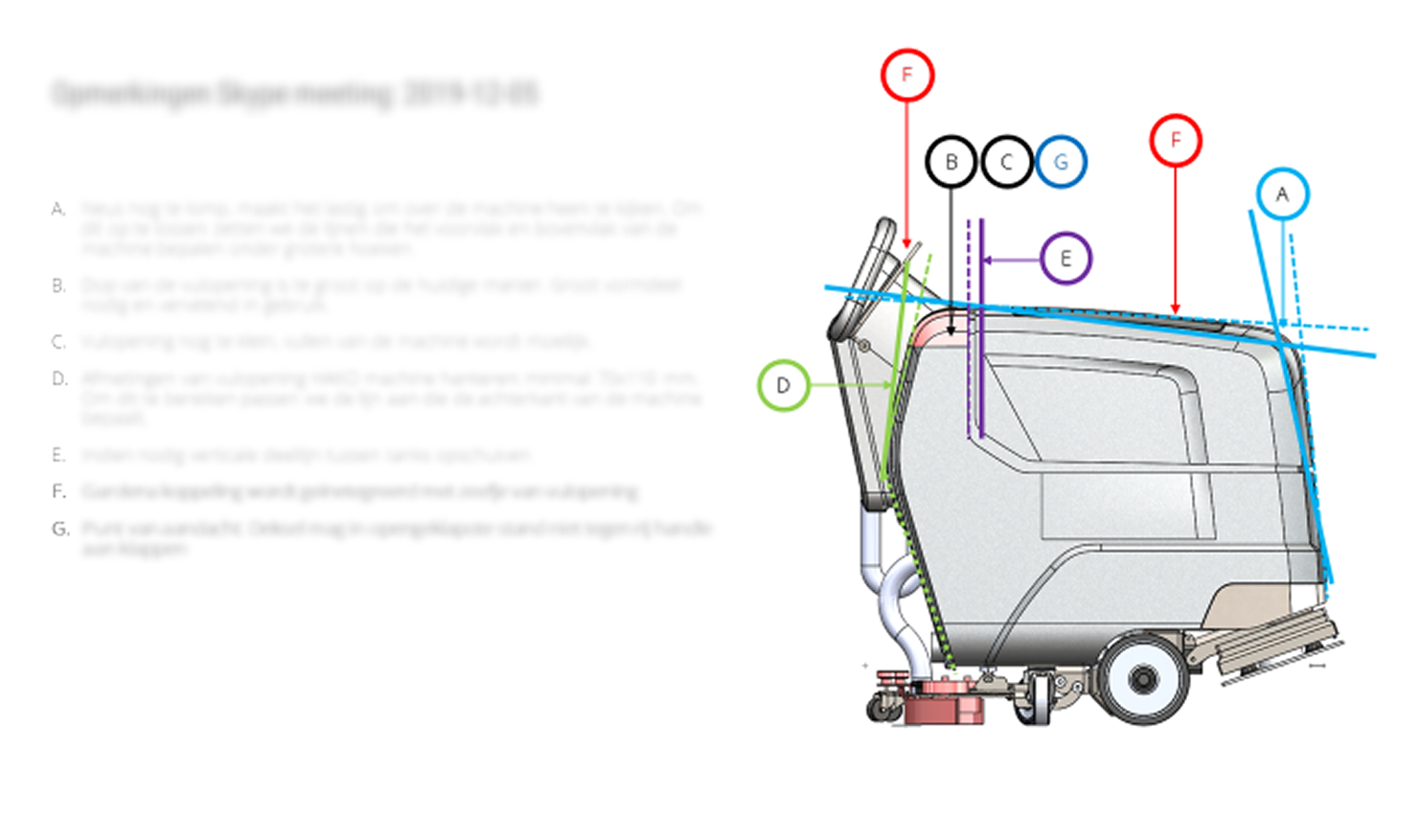
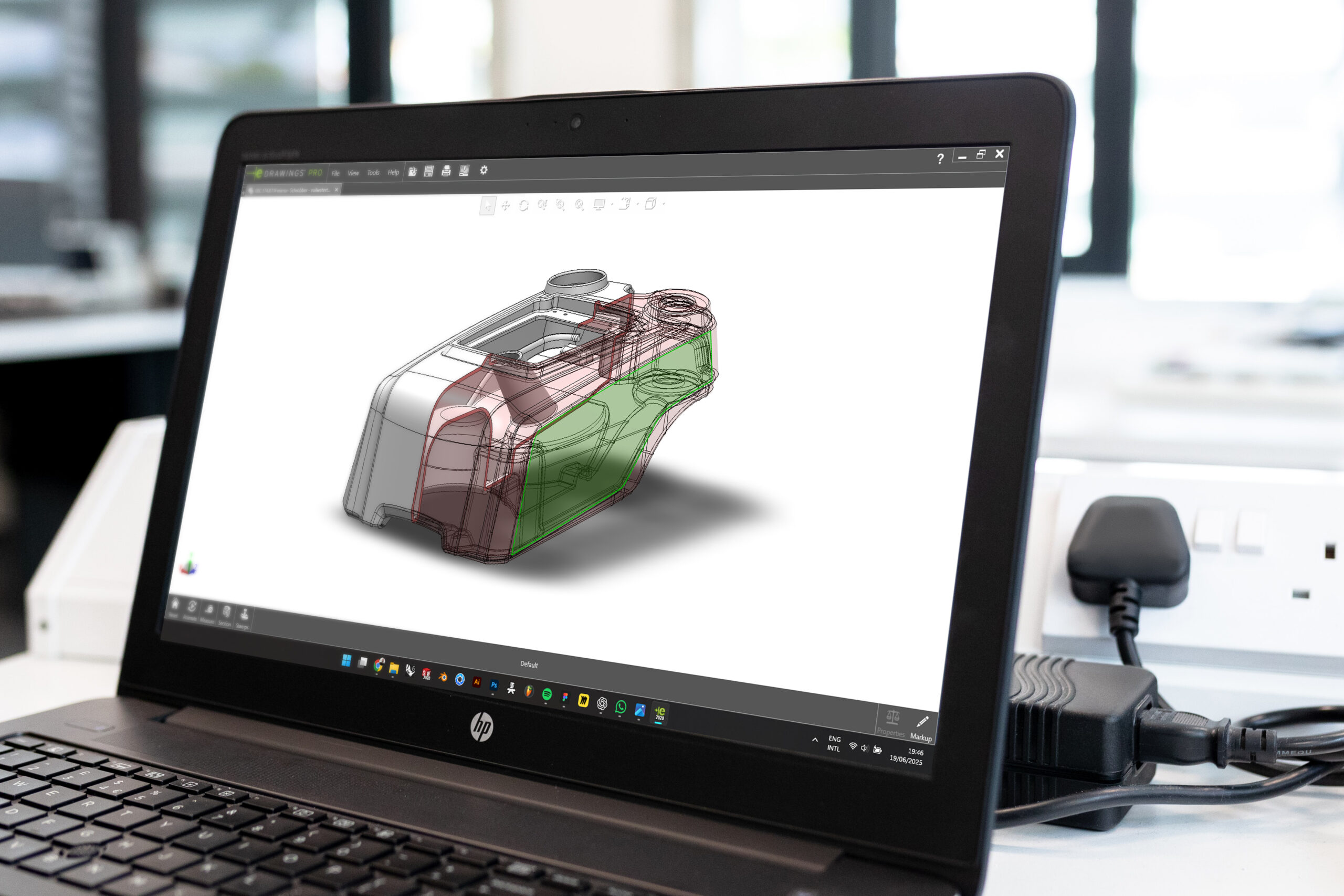
Getting the design right on screen was only half the job. Translating it into rotomolded parts meant working within strict manufacturing constraints, draft angles, wall thickness, parting lines, without letting those constraints flatten the design. I collaborated closely with the manufacturer throughout, adjusting geometry iteratively rather than at the end. Long-distance collaboration with the client meant building a clear visual system for communicating changes: annotated renders, structured check-ins, and documentation precise enough that nothing got lost between Madrid and the factory floor.
A new product line, built to last and ready to scale
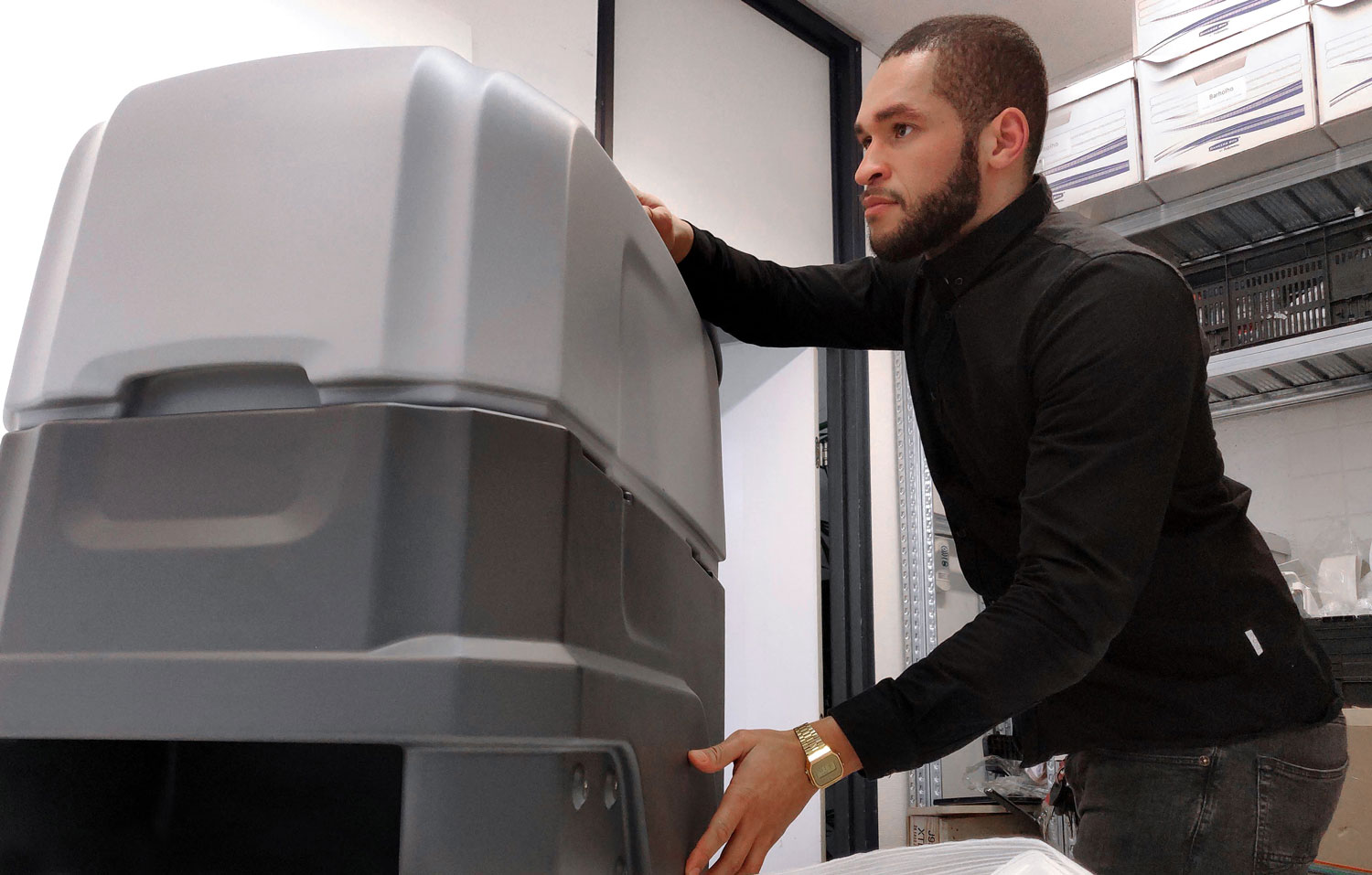
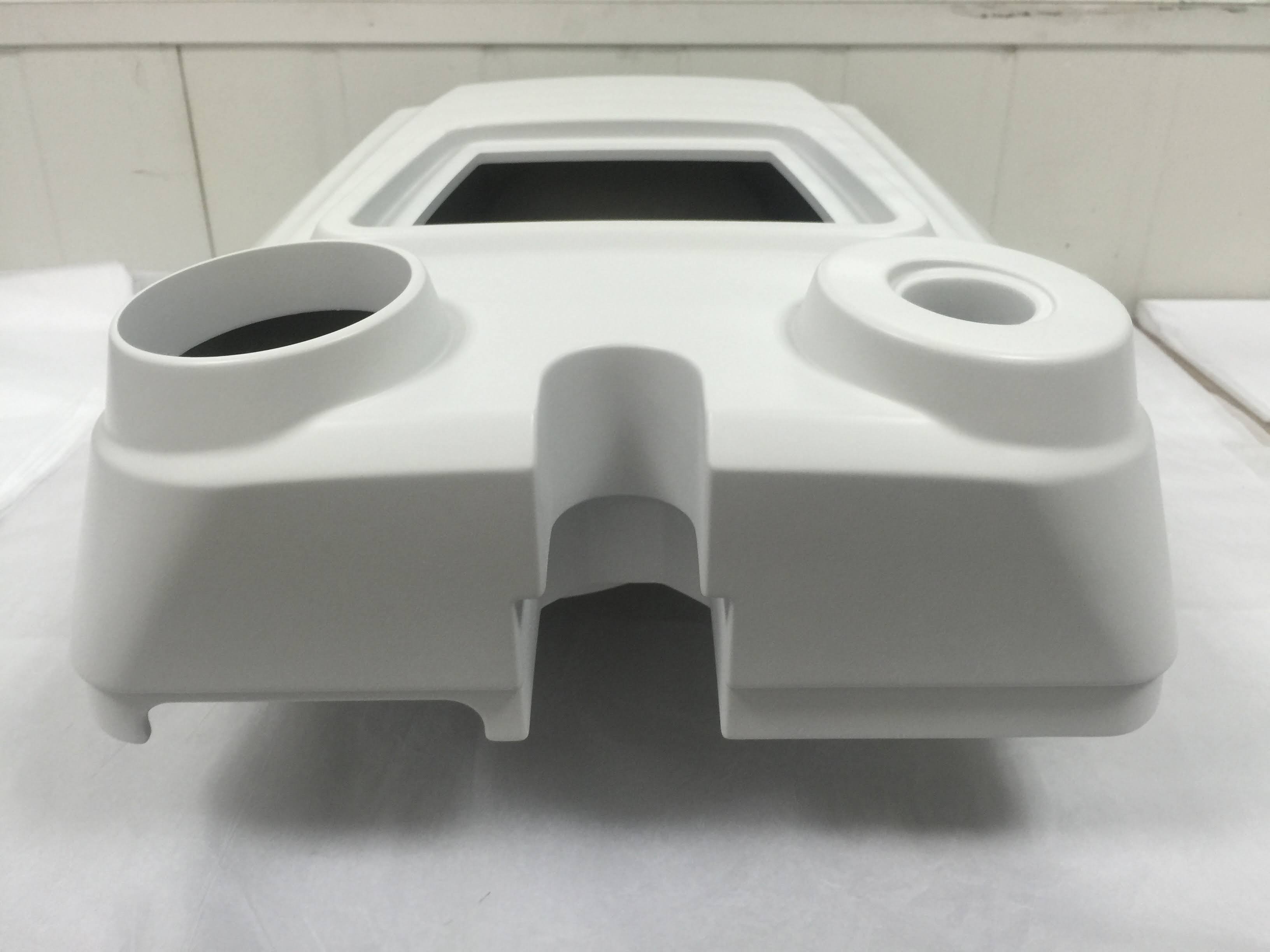
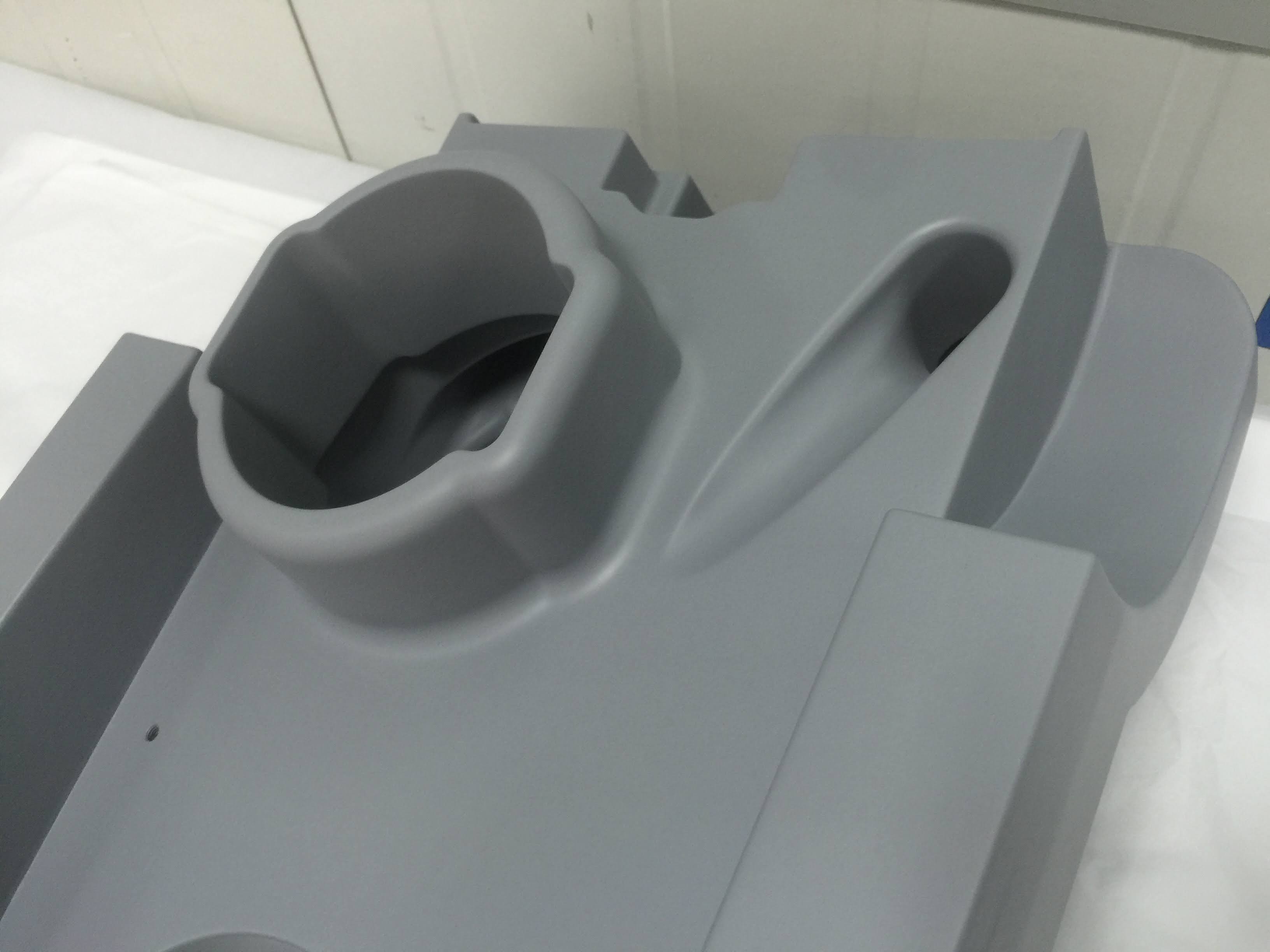
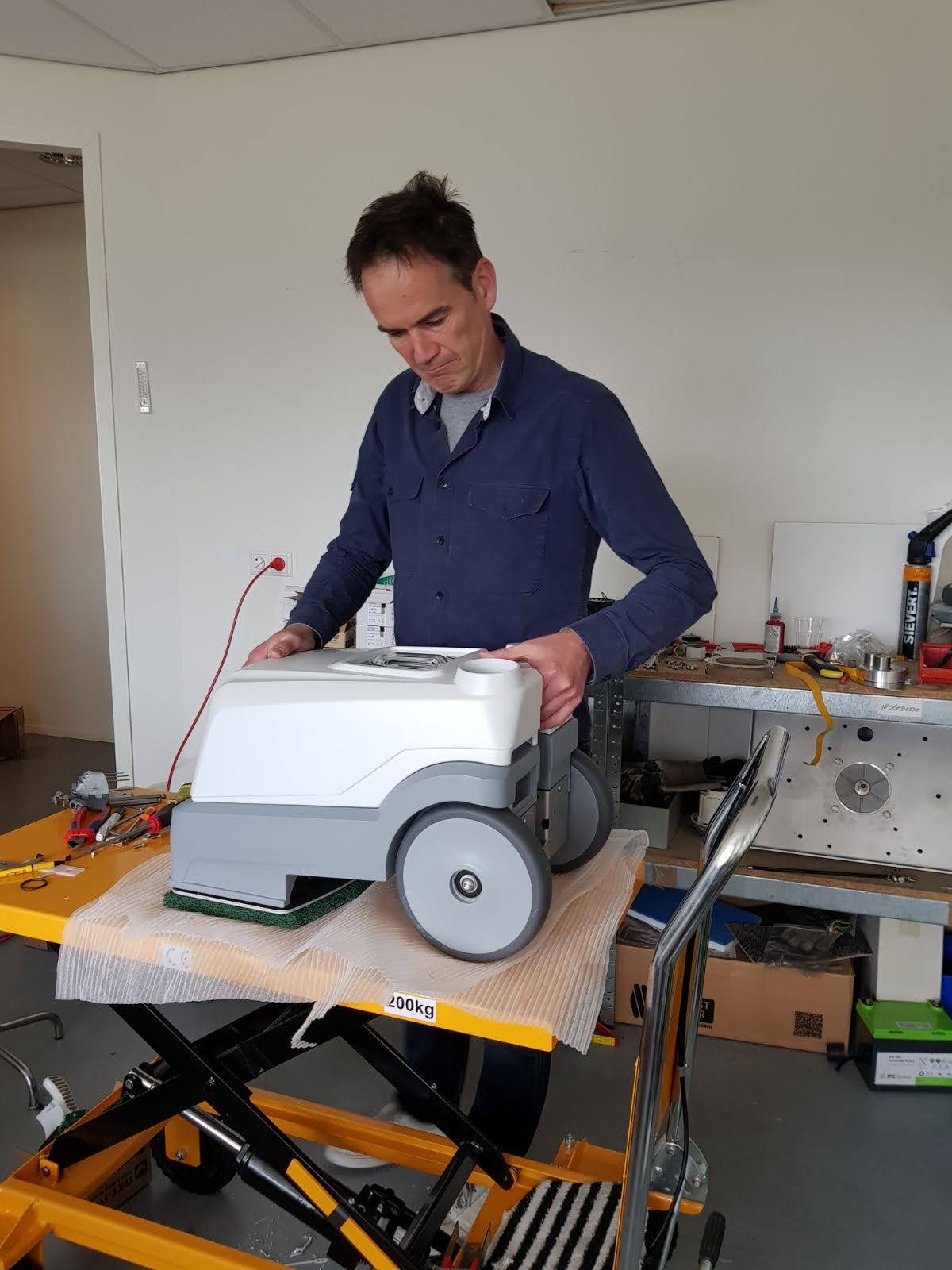
The result was a range of rotomolded fluid tanks that integrated cleanly with Excentr’s existing metal frames; cost-effective to produce, consistent with the brand, and validated through multiple rounds of prototype testing for usability, structural integrity, and vacuum-sealing performance. Beyond the immediate brief, the work established a design language and a set of engineering principles that Excentr could carry forward into future product development.